
Protein Shake Before or After Workout
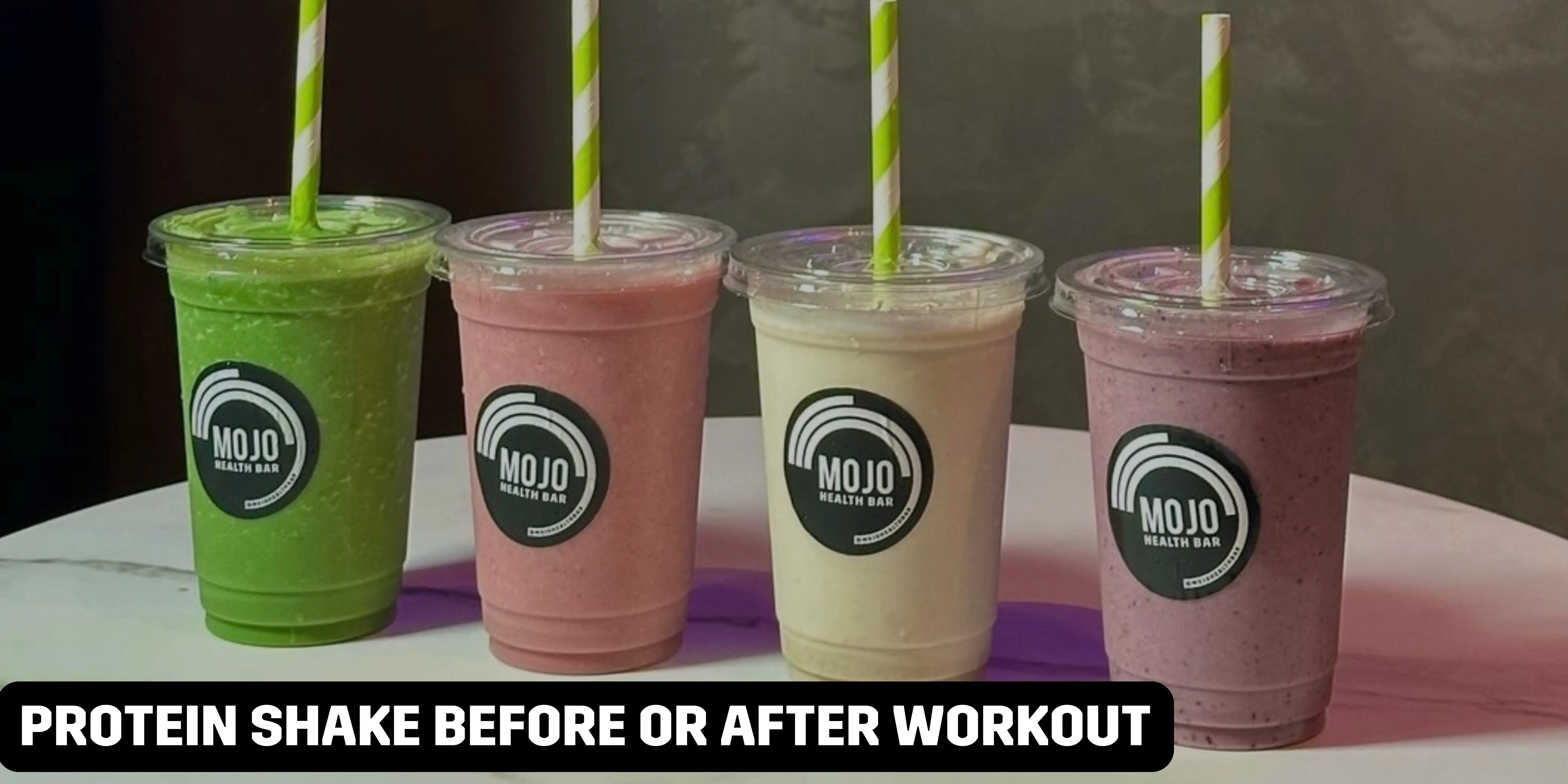
The age-old debate of whether to drink a protein shake before or after a workout is a favourite topic among fitness enthusiasts. The answer to this really depends on your goals, workout routine, and overall nutritional needs. Both offer distinct advantages, and understanding these can help you make the best choice for your fitness journey.
Pre-Workout Protein: Fuel and Performance
Drinking a protein shake before your workout can help fuel your muscles and improve performance. Consuming protein before exercise, especially branched-chain amino acids (BCAAs), can help to reduce muscle breakdown and promote protein synthesis during your workout…
Fuel for Your Muscles: Drinking a protein shake before your workout can provide your muscles with a readily available source of amino acids, which can be used as fuel during exercise. This is particularly important for those who train in a fasted state or engage in intense workouts, as it helps prevent muscle breakdown (catabolism). By consuming protein before you exercise, your body has the necessary nutrients to support muscle preservation and energy production, which can lead to better endurance and performance during your workout.
Enhanced Protein Synthesis: Studies suggest that consuming protein before a workout can "prime" your muscles by initiating protein synthesis earlier, leading to a more significant muscle-building response. This means that your body starts repairing and building muscle tissue even during your workout, which can be beneficial if your goal is to maximise muscle growth.
Increased Fat Burning: For those on a low-carb diet or looking to lose fat, pre-workout protein shakes, especially those rich in BCAAs, can enhance fat oxidation. When glycogen stores are low, your body relies more on fat as an energy source. By supplying your muscles with BCAAs, you can increase fat burning while still preserving lean muscle mass.
Post-Workout Protein: Recovery and Growth
On the other hand, having a protein shake after your workout has long been considered essential for recovery. The post-workout period is when your muscles are most receptive to nutrients, and so consuming protein during this time can help repair muscle damage, reduce inflammation, and promote muscle growth.
Optimal Muscle Recovery: The "anabolic window" is the period after exercise when your muscles are most receptive to nutrients. Consuming a protein shake immediately after your workout provides your muscles with the amino acids they need to repair the micro-tears caused by exercise. This not only speeds up recovery but also enhances muscle growth, making it an essential practice for those aiming to build muscle mass.
Reduced Muscle Soreness: Post-workout protein can also help reduce delayed onset muscle soreness (DOMS), which often occurs 24 to 48 hours after an intense workout. By quickly supplying your muscles with the nutrients they need for repair, you can minimise muscle damage and soreness, allowing you to recover faster and get back to training sooner.
Replenishing Energy Stores: If your workout depletes your glycogen stores, pairing your post-workout protein shake with some carbohydrates can help restore these energy reserves. This combination is particularly beneficial for endurance athletes or those engaging in high-intensity interval training (HIIT), where glycogen depletion is more significant.
Taking a Protein Shake Before vs After your Workout
Ultimately, whether you choose to consume protein before or after your workout should align with your specific goals. If you're focused on performance and muscle preservation during intense or fasted workouts, a pre-workout protein shake may be more beneficial. On the other hand, if muscle recovery and growth are your main objectives, a post-workout shake might be ideal for you.
In the end, consistency and overall protein intake throughout the day are more crucial than the exact timing of your shake. Whether you opt for pre- or post-workout protein, ensuring you meet your daily protein needs will support your fitness goals effectively.
Latest Blog


- PERPETUA
MAKE YOUR MOVE
All rights reserved © perpetuadublin 2023.
Powered by : Infotechsolz
All rights reserved © perpetuadublin 2023. Powered by :Infotechsolz